Philanthropy isn’t always born from grand gestures, sometimes it begins quietly, shaped by childhood experiences, meaningful mentors, and the communities that raise us. For one financial advisor, service has never been a side project; it has been the defining thread running through his life, guiding his values, his leadership, and ultimately, his career. From formative years at Golden Slipper Camp to a lifelong commitment to strengthening the Philadelphia community, his story reveals how genuine involvement doesn’t just build better organizations, it builds better people.
In our first installment of a two-part interview with Samuel H. Newsham,
Financial Advisor, Founding Partner of N2H Wealth Partners, a Financial Advisory Group with Lincoln Investment, he reflects on the lessons, relationships, and responsibilities that have shaped his philanthropic journey and how those same principles inform the way he serves clients today.


Can you share the story behind how you first became involved in philanthropic work, and what inspired you to take that step?
My introduction to philanthropy started at a young age. I attended Anne Frank Elementary School in Philadelphia, where Martin Luther King Day of Service was a significant and meaningful tradition. Each year, we were encouraged to give our time to our community, and I volunteered at places like the Philadelphia Zoo, nursing homes, and community centers. Those early experiences planted a seed.
In middle school, philanthropy became something much deeper for me. After my parents divorced when I was 11, they thought sending me to an overnight summer camp would give me a healthy break from the city. Camp wasn’t something we could typically afford, but Golden Slipper Camp—a 501(c)(3)—offered scholarship and needs-based assistance that allowed me to attend for pennies on the dollar.
I fought it at first; I thought I was too cool for camp. But two weeks into that first 3.5-week session, everything changed. I became a “lifer.” I returned year after year as a camper, a waiter, a CIT, then eventually both a junior and senior counselor. Once I entered the “real world,” I joined the organization’s general board, and today, I proudly serve as its Vice President. Golden Slipper Camp didn’t just give me summers away from home—it shaped who I became. Another major influence on my philanthropic journey came from my parents. All three of them were deeply involved in charitable work in different ways, and that played a tremendous role in shaping my values. My stepmother, Barbara Thumler, was a tireless advocate for women and women’s sports, always using her voice and energy to create opportunities for others. My mother consistently supported organizations that strengthened the community and improved people’s lives, quietly modeling the power of giving without ever expecting recognition. And my father, a dedicated Freemason and officer of his lodge, spent decades helping raise funds for various charities, showing me what it meant to be part of an institution built on service and integrity. Growing up with those examples made philanthropy feel like a natural extension of who I am, and it reinforced my belief that giving—whether time, resources, or heart—is both a responsibility and a privilege.
How does your community involvement influence your approach to financial advising and serving your clients?
My community involvement has given me a broader lens through which to view the world. Working with people from diverse backgrounds has allowed me to better understand and connect with clients on a deeper, more personal level.
One of my heroes, Nick Forst—the Founder of Lincoln Investment—used a triangle model to describe success. The first two sides represented the how: “Help People” and “Have Fun.” The third side—the result—was “Make Money,” or more broadly, find success. I’ve embraced that philosophy wholeheartedly. If you help people but you’re miserable doing it, you won’t be successful. If you’re having fun but not being useful, you won’t be successful. The magic is in doing both. My nonprofit work has built incredible relationships and created opportunities for my business, but even if it didn’t, it would still be worth it. There’s no better feeling than knowing your contribution made a difference.
What philanthropic initiatives or organizations are you currently most passionate about, and why do they resonate with you?
The organization I devote the most time to is Golden Slipper Camp. It’s where I learned how to be myself, and where countless young people learn core life skills—how to take care of themselves, live with others, be a team player, step into leadership roles, get out of their shell, speak publicly, keep a schedule, try new things, and expand their comfort zones.
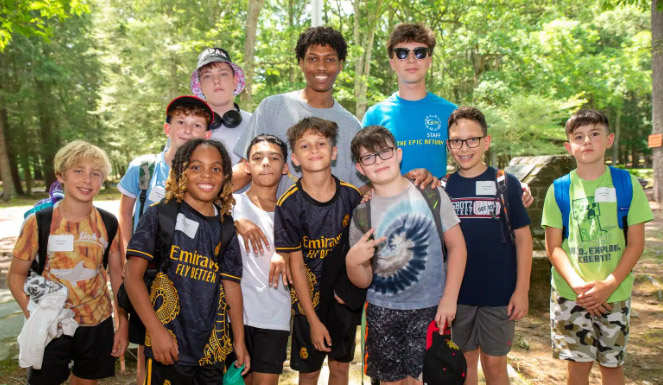
Golden Slipper is a Jewish-run organization, but our camp is the only Jewish overnight camp in the area that welcomes up to 30% non-Jewish campers. We see this as an active effort to fight antisemitism by bringing people of different cultures together and allowing them to experience Jewish values firsthand.
Many of my closest friendships are with people whose backgrounds differ greatly from my own. That exposure made me a more accepting and culturally aware person. The organization took a major hit during COVID when we had to shut down for the first time since 1948. We’ve worked tirelessly to rebuild. After the October 7th tragedies and the ripple effects that followed, we significantly increased security and were able to bring Israeli children—both Jewish and Muslim—to camp. That ability to create connection and healing during difficult times is why this work matters so much to me.
In what ways has your charitable work helped you build stronger, more trust-based relationships with clients or prospects?
When I first joined the industry as an apprentice to my mom, she taught me an important lesson about reputation: you only get one name—don’t ruin it. And since we share the same last name, she joked that I better not ruin hers either.
I’ve always tried to do the right thing for the right reasons. When people learn that you willingly give your time and resources to help others with no expectation of personal gain, they see you differently. It opens the door to meaningful conversations. Sometimes that builds trust with prospects, sometimes it deepens relationships with existing clients, and sometimes people never become clients but refer others because they believe in your character. In all cases, the trust is real.
Have you found that your involvement in community organizations has expanded your network in meaningful ways? Can you share an example?
Absolutely. When I joined the Golden Slipper Camp board in my mid-20s, I suddenly found myself in a room full of highly accomplished professionals from various fields—people I never would have encountered so early in my career. I didn’t get involved to gain clients, but sitting in a room filled with experience and wisdom, it would’ve been foolish not to absorb everything I could. Over time, that exposure broadened my thinking, refined my decision-making skills, and naturally expanded my network.
As we reflect on our experiences, shaped by mentors, community, and the lessons learned through service, it’s clear that philanthropy isn’t something separate from professional life; it’s the foundation that informs it.
From campgrounds to boardrooms, from volunteering as a kid to building trust with clients today, each moment has reinforced Sam’s belief that meaningful relationships and purposeful work go hand in hand. This piece is just the beginning. In the next installment, we look forward to sharing how these values continue to guide a vision for the future and the impact he hopes to make in the years ahead.